

Key Takeaways
- Sustainable tourism involves environmental, economic, and cultural considerations — not just carbon offsetting.
- Individual choices do have aggregate impact, but systemic change matters far more than personal guilt.
- Spending locally is one of the most direct ways independent travellers support host communities.
- Greenwashing is widespread in travel marketing — look for verified credentials, not vague claims.
- Slow travel and sustainable travel often overlap but are not the same thing.
- Respectful behaviour toward people, wildlife, and sacred spaces is a non-negotiable baseline.
Sustainable Tourism
Sustainable tourism refers to travel that minimises negative environmental, cultural, and economic impacts while actively supporting the places and communities being visited. It's not a single certification or travel style — it's a framework of choices that considers long-term consequences alongside short-term experiences. For independent travellers, it means being thoughtful about where money goes, how spaces are used, and how local people and ecosystems are affected.
The United Nations World Tourism Organization (UNWTO) defines sustainable tourism as tourism that takes full account of current and future economic, social, and environmental impacts, addressing the needs of visitors, the industry, the environment, and host communities.
Why the Definition Matters More Than the Label
Sustainable tourism has become one of those terms that sounds meaningful but gets stretched to cover almost anything with a plant emoji on its website. For independent travellers trying to make more intentional choices, sorting through the noise is genuinely difficult — and the vagueness is often deliberate.
At its core, sustainability in travel rests on three interconnected pillars: environmental (protecting natural systems and biodiversity), economic (ensuring tourism revenue benefits local communities rather than extracting wealth), and cultural (respecting heritage, social norms, and the daily lives of residents). A trip can score well on one dimension and poorly on another. A luxury eco-lodge surrounded by forest might have genuine conservation practices but employ no local staff and fly in all its provisions.
Understanding the full picture helps you ask better questions — not just "Is this sustainable?" but "Sustainable for whom, and in what way?"
A Note on Certification Claims
Not all sustainability certifications in travel carry equal weight. The Global Sustainable Tourism Council (GSTC) sets internationally recognised baseline standards, and certifications aligned with GSTC criteria are generally more reliable than self-reported or brand-created labels. When in doubt, look for the specific certifying body name rather than accepting 'eco-certified' at face value.
Where Individual Impact Is Real
There's a legitimate debate about how much individual travel choices matter against systemic factors like aviation infrastructure and government tourism policy. That debate shouldn't, however, collapse into paralysis — because some individual decisions do create measurable ripple effects.
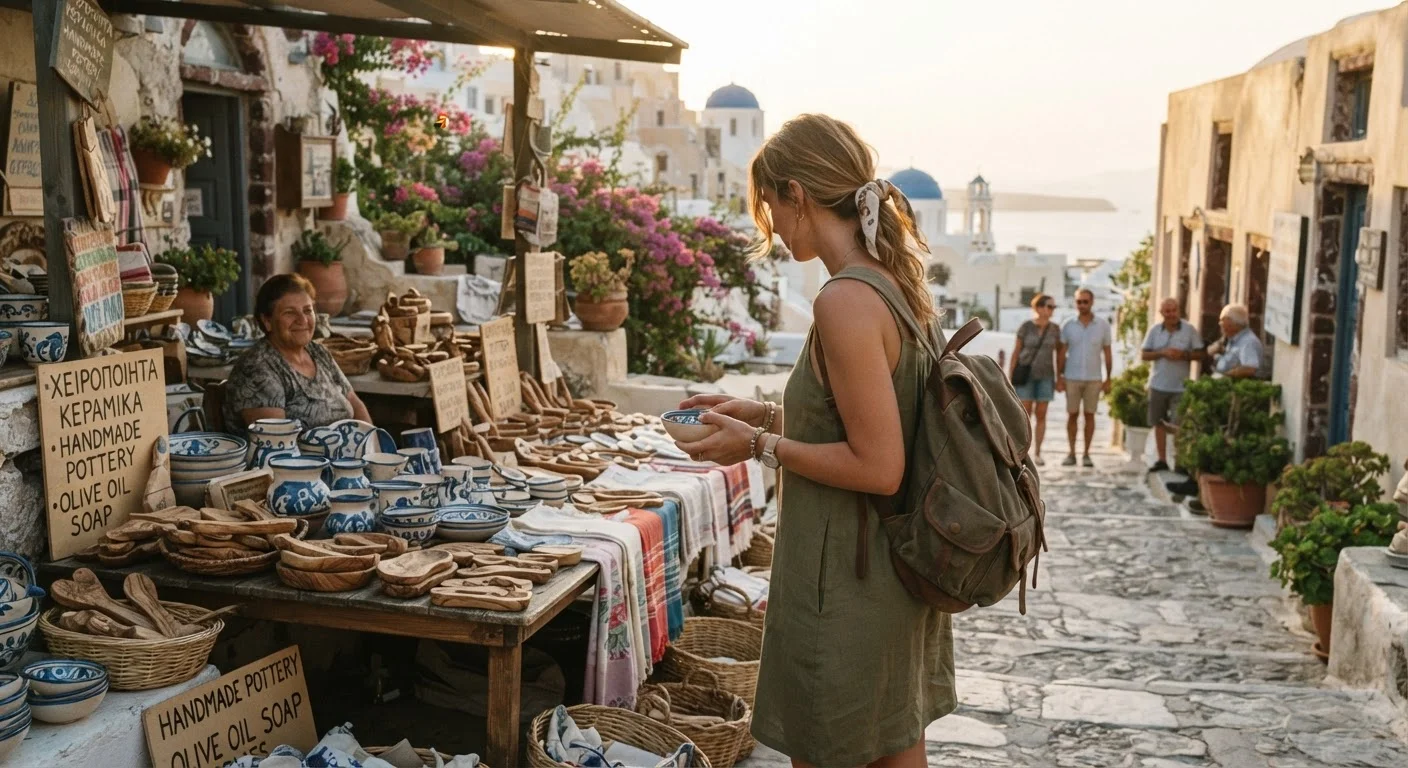
Where you spend money is the most direct lever. Staying in locally owned guesthouses, eating at family-run restaurants, booking guides who live in the area, and buying crafts directly from makers keeps a far higher proportion of your spending within the local economy than opting for international hotel chains or all-inclusive packages. Research consistently suggests that money spent at locally owned businesses recirculates within communities at a significantly higher rate than money flowing to foreign-owned operators.
Respectful cultural behaviour is another area where individual travellers exercise real influence — not just morally, but practically. Overcrowded sacred sites, erosion of local customs through tourist pressure, and displacement of residents are all shaped by how visitors behave and where they choose to go.
~10%
Global GDP contributed by tourism
According to the World Travel & Tourism Council, tourism represents roughly 10% of global GDP, underscoring the scale at which traveller choices collectively influence economies and environments.
80%
Tourism revenue often leaving local economies
The UNWTO has estimated that in some developing-country destinations, up to 80% of tourist spending flows back out of the local economy through foreign-owned operators, a phenomenon known as 'tourism leakage.'
1 in 10
Jobs worldwide supported by travel and tourism
The World Travel & Tourism Council estimates that approximately 1 in 10 jobs globally is connected to the travel and tourism sector, making the distribution of tourist spending a meaningful economic justice issue.
What Sustainable Tourism Doesn't Require
It's worth being equally clear about what sustainable travel is not. It doesn't require you to stop travelling entirely, to feel guilty about every flight, or to seek out only remote, untouched destinations. In fact, avoiding all famous places can inadvertently concentrate travellers in fewer and fewer "hidden gems," replicating the overtourism problem elsewhere.
It also doesn't require accepting greenwashing at face value. Certifications vary enormously in rigour — some are independently verified against detailed standards, others are self-reported. When evaluating accommodation or tour operators, look for transparency: Do they publish specific practices? Are they affiliated with credible bodies like the Global Sustainable Tourism Council (GSTC)? Vagueness is usually a signal worth heeding.
Sustainable travel and slow travel often get used interchangeably, but they're distinct ideas. Moving slowly through a destination can certainly reduce transport emissions and allow for deeper local connection — but the intention and the spending patterns matter as much as the pace.
Building It Into How You Travel, Not Just Where
The most durable shift isn't a checklist — it's a reorientation of how you research, plan, and move through a destination. Thinking about what a place needs from visitors (dispersal of tourist spending to undervisited areas, off-season travel, reduced pressure on fragile ecosystems) is a different frame than thinking only about what you want from it.
For women travelling independently, this intersects naturally with the kind of mindful living many already practice at home. The same instinct to be intentional about consumption, to ask where things come from, and to value quality of experience over volume of sights translates directly into more sustainable travel habits.
It also connects to personal safety and confidence. Engaging thoughtfully with local culture — understanding customs, dressing appropriately for context, learning a few words of the local language — tends to generate more genuine connection and less of the friction that makes travel feel exhausting. If you're building confidence for independent travel, see our guide to solo female travel preparation for practical groundwork.
Sustainable tourism, ultimately, asks the same thing that good travel always has: show up with curiosity, respect, and enough awareness to leave a place better — or at least no worse — than you found it.