

Key Takeaways
- Slow travel is defined by staying longer in fewer places, not by moving at a relaxed speed between many stops.
- It prioritizes local immersion — markets, neighborhoods, and daily rhythms — over landmark-ticking.
- Slow travel can be adapted to nearly any budget or time constraint; it's a mindset, not a luxury.
- It overlaps with sustainable tourism by reducing the environmental and social footprint of frequent transit.
- The approach suits independent travelers but can also inform how group itineraries are structured.
Slow Travel
Slow travel is a way of exploring the world that prioritizes depth over distance. Instead of racing through a checklist of destinations, slow travelers spend more time in fewer places — renting an apartment instead of booking a hotel, shopping at local markets, and letting routines emerge naturally. The goal is genuine connection with a place rather than efficient coverage of it.
The term is closely associated with the broader Slow Movement, which originated with the Slow Food movement in Italy in the late 1980s and later expanded into travel, work, and lifestyle philosophies.
The Core Idea: Presence Over Progress
Most travel culture is built around accumulation — cities visited, photos taken, items crossed from lists. Slow travel proposes something genuinely different: that a place reveals itself not in highlights but in hours. That the texture of somewhere only becomes legible when you've walked the same street enough times to notice it change.
The defining move of slow travel isn't pacing — it's selection. You choose fewer destinations and commit to them. You resist the temptation to add one more city to the end of the itinerary. What you trade in breadth, you gain in something harder to photograph: actual familiarity.
This connects naturally to the wider philosophy of slow living, which applies the same logic to everyday life — prioritizing depth and intentionality over volume and speed.
“Travel is not really about leaving our homes, but leaving our habits.”
— Pico Iyer, Author and essayist on travel and place
What It Looks Like in Practice
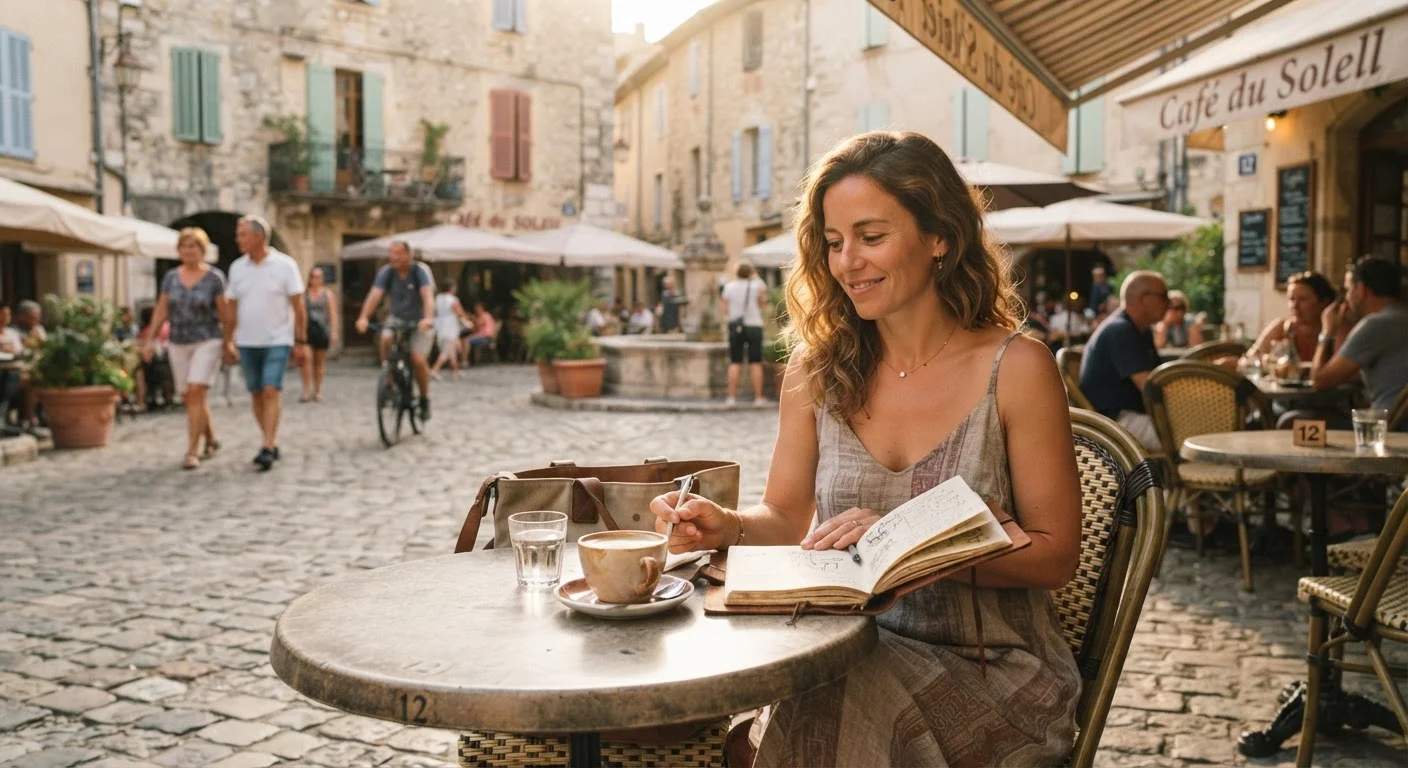
Slow travel tends to look like renting rather than booking: a studio apartment for ten days rather than a hotel room for two. It looks like learning which bakery opens earliest and which bus line actually goes where you need. It means your first few days might feel unproductive — and that's exactly the point.
Practically, slow travelers often:
- Cook some meals at home rather than dining out for every meal
- Visit the same spots more than once, at different times of day
- Build loose routines rather than hour-by-hour itineraries
- Interact with locals in functional, non-tourist contexts — at a pharmacy, a laundromat, a neighborhood park
These aren't deprivations. They're the mechanisms through which a place starts to feel lived rather than visited. For a closer look at what this shift produces, see what changes when you stop rushing through destinations.
57%
Travelers preferring fewer, longer trips
A 2023 Booking.com Sustainable Travel Report found that a majority of surveyed travelers expressed interest in spending longer periods in fewer destinations to reduce environmental impact.
3–4x
Local economic benefit of longer stays
Research from the World Tourism Organization suggests travelers on longer stays tend to spend significantly more with local businesses compared to shorter, hotel-concentrated visits.
1 week+
Minimum stay most slow travelers recommend
Across slow travel communities and editorial surveys, one week per destination is commonly cited as the minimum needed to move beyond surface-level familiarity with a place.
Slow Travel and Sustainability
One reason slow travel has gained renewed attention is its relationship to more conscious tourism. Fewer flights, longer stays, and deeper local spending patterns all tend to reduce the environmental and economic distortions that mass tourism can create.
When you stay longer, your money moves differently — into neighborhood restaurants, local grocery stores, and small accommodation providers rather than concentrated tourist infrastructure. That's not a guarantee of positive impact, but it shifts the odds. What sustainable tourism actually means for independent travellers explores this in more depth, including where individual choices do and don't move the needle.
It's worth noting that slow travel isn't automatically sustainable — if you fly long-haul to one destination and stay there three weeks, the flight still carries the majority of your trip's carbon footprint. The philosophy informs behavior; it doesn't eliminate trade-offs.
A Note on Entry Requirements and Local Conditions
Planning a longer stay in a foreign country may involve visa considerations, residency rules, or health requirements that differ significantly from a short vacation. Always verify current entry requirements with official government sources and your country's foreign affairs guidance before booking. Conditions can change, and editorial content cannot substitute for up-to-date official information.
Is Slow Travel Right for You?
Slow travel suits some temperaments and life circumstances better than others, and it's worth being honest about that. If you have two weeks of vacation per year and three continents on your list, slow travel may not feel compatible — and that's a legitimate tension, not a moral failing.
Where it tends to work best: when you have flexibility in your schedule, when you're traveling solo or with a like-minded companion, and when you're willing to tolerate a degree of ambiguity about what each day will hold. The early discomfort of not having a full itinerary is real — why slowing down feels uncomfortable at first is a feeling many slow travelers describe, even after choosing it deliberately.
You don't have to commit wholesale. Even one slow element — staying an extra three days rather than rushing to the next city, choosing one neighborhood and exploring it thoroughly — begins to shift how travel feels. Slow travel is less a rigid practice than a direction to move in.