

Key Takeaways
- Slow living becomes avoidance when rest is used to sidestep discomfort rather than restore energy.
- Aesthetic performances of slowness — journaling, candles, rituals — can mask ongoing anxiety or stagnation.
- Genuine intentional rest leaves you clearer and more capable; avoidance leaves you more depleted.
- Recognising the difference requires honest self-reflection, not stricter productivity rules.
- Slow living should expand your life, not quietly shrink it.
The Fine Line Between Rest and Retreat
Slow living, at its best, is a recalibration — a deliberate shift away from busyness as a default and toward days shaped by intention rather than momentum. But like most philosophies worth having, it carries a shadow version of itself. And that shadow version is surprisingly easy to inhabit without realising you've moved in.
The trouble isn't the idea of slowing down. It's that rest and avoidance can look almost identical from the outside — and sometimes from the inside, too. A morning spent reading instead of answering emails might be genuine recovery or a way of not facing something uncomfortable. The difference lives not in the activity but in what's driving it.
If you're new to what slow living actually involves, this grounded introduction to the philosophy is worth reading first. The traps below are for those who've already embraced the concept — and may have drifted without noticing.
Using 'slow living' as a label for indefinite postponement of difficult tasks or decisions.
Why it happens: The language of intentionality makes delay feel virtuous. Saying 'I'm not rushing this' sounds wiser than admitting you're stuck.
Mistaking aesthetic rituals for actual restoration.
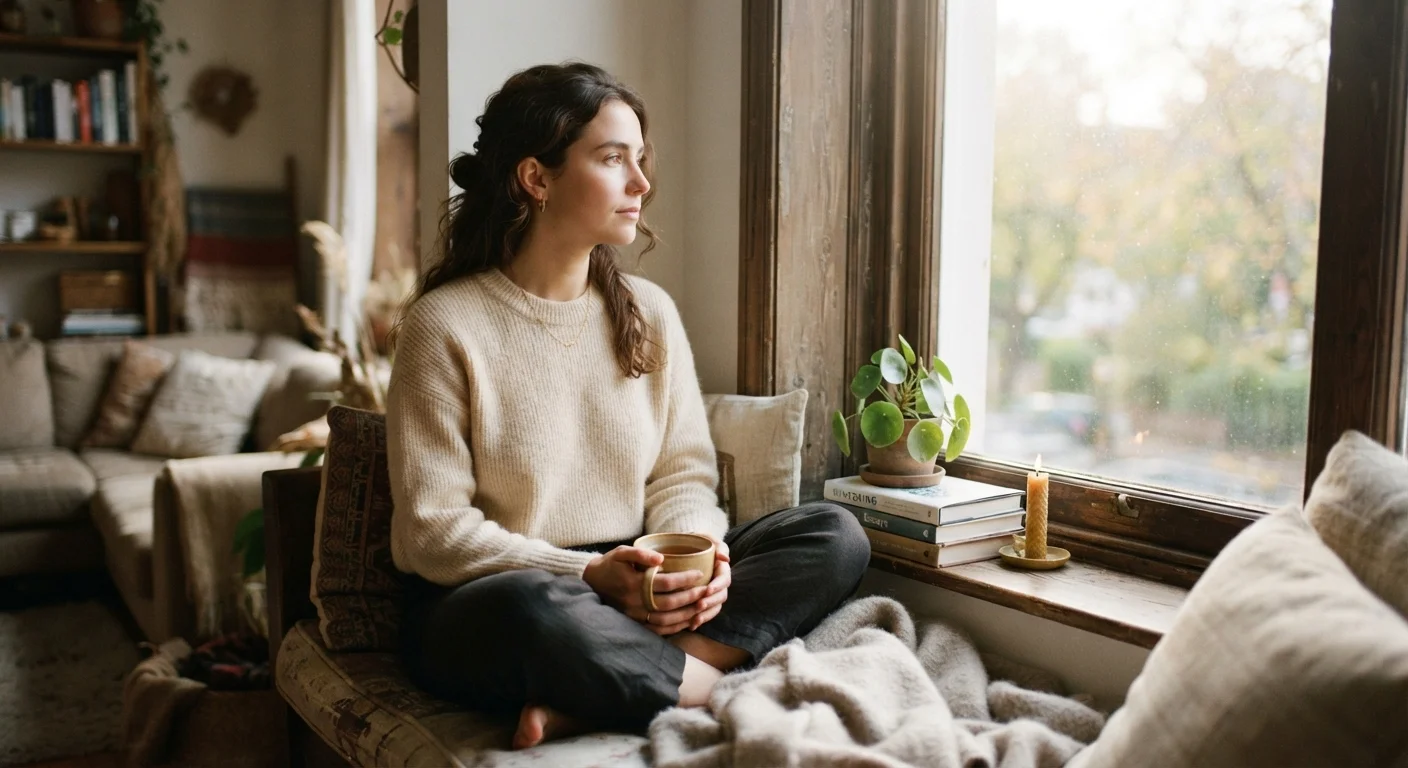
Why it happens: The visual culture around slow living — journaling, candle-lit evenings, elaborate tea ceremonies — can become its own performance, one that signals rest without delivering it.
Withdrawing from social obligations and calling it simplification.
Why it happens: Social friction is real and exhausting, and slow living's emphasis on curating your environment can make cancelling feel principled rather than avoidant.
Optimising rest so heavily that it becomes another source of pressure.
Why it happens: Many women arrive at slow living from burnout — and bring their perfectionist habits with them. The result is a meticulously scheduled 'restorative' day that still feels tense.
Confusing digital disconnection with emotional presence.
Why it happens: Putting down your phone feels like the work of slow living. But it's possible to be offline and still entirely absent — from yourself, from the people around you, from the moment.
How to Tell the Difference — Honestly
The clearest signal isn't how your day looks; it's how you feel at the end of it. Genuine rest — the kind that slow living is meant to cultivate — leaves you with more capacity than you started with. You feel quieter in a good way: settled, present, ready. Avoidance dressed as rest tends to leave a residue of low-level dread, the tasks still there, the discomfort slightly louder for having been postponed.
One useful practice is to ask yourself, before you settle into a slow morning or an unscheduled afternoon: Am I moving toward something, or away from something? Neither answer is automatically wrong, but knowing which is true gives you something to work with.
35%
Adults who struggle to distinguish rest from avoidance
Research on procrastination and emotion regulation consistently finds that avoidance behaviours are most common when individuals experience difficulty tolerating uncomfortable feelings, according to multiple studies in the Journal of Experimental Psychology.
1 in 3
People who report feeling unrested despite adequate downtime
A survey conducted by the American Psychological Association found that a significant share of adults reported feeling unrefreshed after rest periods, often linked to ruminative thinking rather than insufficient time off.
It's also worth distinguishing between the aesthetic of slow living and its substance. Linen, candles, and herbal tea are pleasant — but they're not rest, and they're certainly not intention. As explored in unpacking what slow living actually requires, the lifestyle is far more accessible — and far less decorative — than its Instagram presence suggests.
Slow living, practised honestly, should expand what you're able to do and feel. If you notice your world getting quieter in ways that feel more like contraction than calm — fewer commitments, less social contact, more time scrolling — that's worth examining. A balanced look at what intentional living costs and gives can help you assess where you actually stand.
None of this requires abandoning slowness. It requires bringing the same honesty to your rest that you'd bring to any other part of a considered life. The goal was never to do less — it was always to live more deliberately.