

| Origin of Hygge | Denmark and Norway |
| Origin of Niksen | The Netherlands |
| Origin of Lagom | Sweden |
| Core theme shared by all three | Intentional, unhurried daily living |
| Hygge peak season | Autumn and winter |
| Lagom principle | Sufficiency — not too much, not too little |
Why European Calm Concepts Are Having a Moment
There's a reason words like hygge and lagom have travelled so far from their origins. They name something many women feel but rarely have language for — the desire to live at a pace that actually fits a human life. Not productive-at-all-costs. Not curated for an audience. Just present, at ease, and genuinely rested.
These aren't wellness trends dressed in linen. They're deeply rooted cultural attitudes toward time, comfort, and sufficiency — philosophies that European societies have quietly practiced for generations. Understanding them on their own terms (rather than as an aesthetic to copy) is where the real value lies. For anyone interested in {{link:/travel-living/slow-living/slow-living-is-not-a-luxury-separating-the-lifestyle-from-the-aesthetic|separating slow living from its Instagram image|slow living without the aesthetic]], these concepts offer a grounding reference point.
| Origin of Hygge | Denmark and Norway |
| Origin of Niksen | The Netherlands |
| Origin of Lagom | Sweden |
| Core theme shared by all three | Intentional, unhurried daily living |
| Hygge peak season | Autumn and winter |
| Lagom principle | Sufficiency — not too much, not too little |
The Three Philosophies Defined
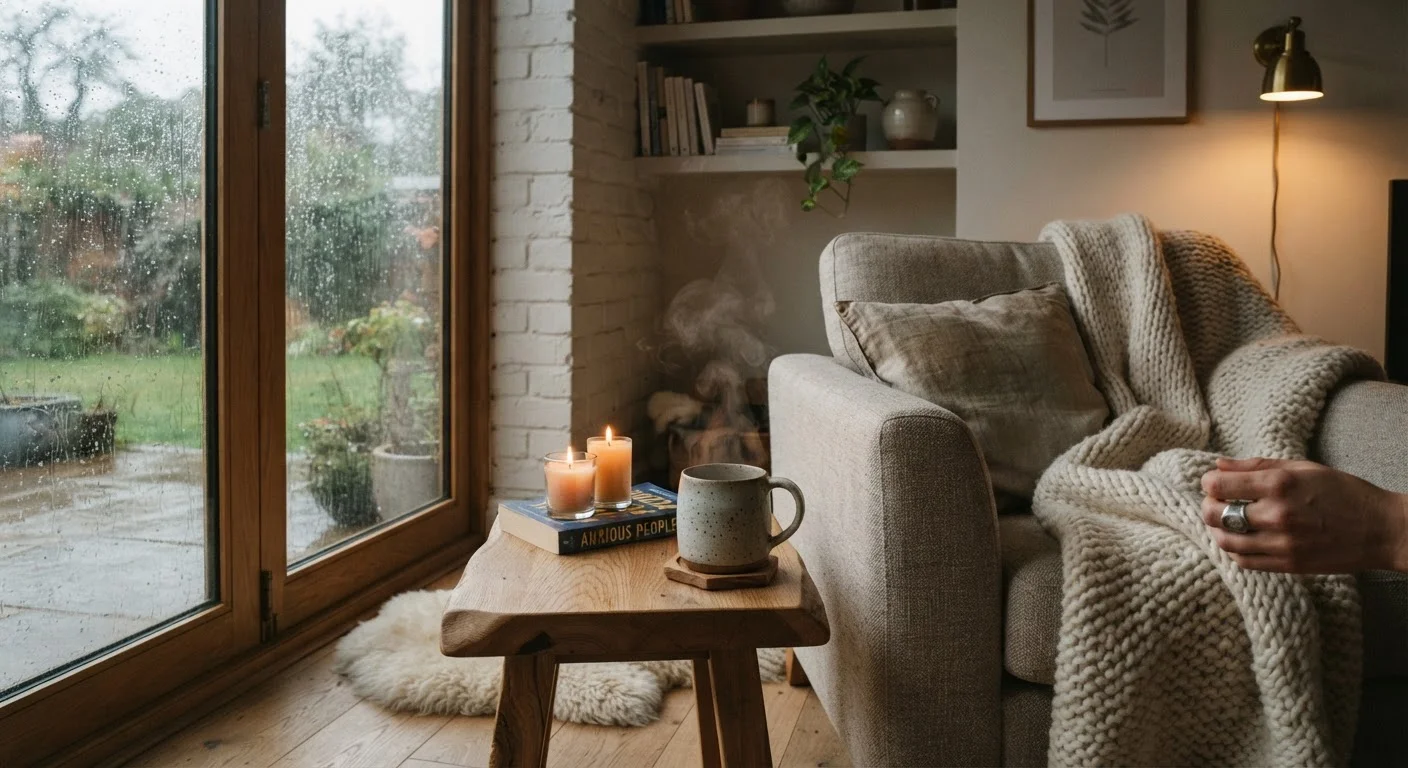
Hygge (pronounced roughly hoo-gah) is a Danish and Norwegian concept centered on warmth, togetherness, and atmosphere. It isn't a thing you buy — it's a quality of experience created by candlelight, unhurried meals, soft textiles, or a conversation that runs longer than planned. It is deliberately low-key and deeply social, though solitary hygge is equally valid.
Niksen is a Dutch word that translates loosely as «doing nothing» — and it means that almost literally. No mindful breathing technique, no journaling prompt. Just sitting, staring out the window, letting the mind wander without agenda. Dutch researchers and psychologists have noted it as a form of restorative idleness, though it remains distinct from formal mindfulness practice. Those curious about building small rest rituals into a busy day may find our guide on micro-habits for mental calm a complementary starting point.
Lagom is Swedish for «just the right amount» — not too much, not too little. It permeates Swedish culture, from portion sizes to home décor to how loudly you speak at dinner. It's an ethic of sufficiency and balance rather than excess or deprivation. Applied to daily life, lagom pushes back gently against both over-scheduling and under-nourishing oneself.
Hygge
A Danish and Norwegian concept describing a quality of coziness, warmth, and convivial ease. It refers to an atmosphere or experience rather than an object, and can occur alone or with others.
Niksen
A Dutch term for purposeful idleness — sitting, daydreaming, or doing nothing in particular without guilt or agenda. It is distinct from meditation in that there is no prescribed technique.
Lagom
A Swedish concept meaning 'just the right amount.' It describes a cultural ethic of balance and sufficiency that applies to consumption, behavior, and daily rhythm alike.
Restorative idleness
A term used in some psychological research to describe unstructured downtime that allows the mind to recover and process. It is associated with creativity and stress reduction, though research is ongoing.
Slow living
A lifestyle philosophy centered on intentional, unhurried engagement with everyday tasks and relationships. It prioritises quality over speed and presence over productivity.
Intentional rest
Deliberately chosen periods of non-activity or low-stimulation that serve recovery rather than occurring by default. Distinguished from collapse or avoidance by its conscious, self-directed quality.
Bringing These Ideas Home (Without Overthinking It)
The easiest misread of hygge, niksen, and lagom is treating them as a project — something to implement with the right products or a lifestyle overhaul. That impulse is almost the opposite of what each philosophy suggests.
A more honest entry point: notice where your home or daily rhythm already supports ease, and protect it. A genuinely comfortable chair where you sit without your phone. A regular dinner that takes its time. A Sunday morning that isn't pre-scheduled. These are not grand gestures. They're the kinds of decisions that, practiced consistently, reshape how a week feels — which is also the premise behind intentional daily routines and mindful living practices.
If you're thinking about your physical space, the design principles that make a room feel genuinely calm rather than staged connect naturally here — our piece on rooms that feel calm and lived-in explores that territory in depth. And because all three philosophies respond to seasons — hygge peaks in winter, niksen belongs to slow summer afternoons — letting the seasonal calendar shape your rhythms is a natural companion read.
None of these ideas require a trip to Copenhagen or Amsterdam, though if you're weighing a restorative journey, it's worth considering what kind of rest you actually need — urban texture or natural quiet — before you book. Our guide to city breaks vs. nature escapes can help you decide.