

Key Takeaways
- Shoulder season — the weeks just before or after peak — often delivers meaningfully lower costs and thinner crowds.
- Weather during shoulder season is unpredictable, and some services or attractions may operate on reduced schedules.
- Travelling at the 'wrong' time can deepen cultural encounters, since locals aren't yet in tourist-service mode.
- Flexibility and a tolerance for variability are the most useful tools for shoulder season travel.
- Verifying visa, entry, and seasonal attraction availability with official sources before booking is always essential.
Meaningfully lower costs on flights and accommodation
Pricing models for flights and hotels respond directly to demand, so the weeks flanking peak season often see significant drops. This isn't marginal — in some popular European destinations, accommodation rates in shoulder months can run 20–40% below July highs.
Thinner crowds at major sites and attractions
Iconic locations that feel genuinely overwhelming in peak season — archaeological sites, art museums, viewpoints — become navigable and even contemplative. The experience of being in a place changes when you're not competing for it.
More genuine encounters with local life
When hospitality workers aren't stretched across maximum tourist volume, interactions shift. Meals feel less transactional, recommendations become more personal, and daily life at a destination is more visible and accessible.
Easier spontaneity and last-minute decisions
Availability at restaurants, tours, and accommodation is less constrained, which means you can make decisions on the day rather than months in advance — a significant advantage for travellers who prefer a looser structure.
Seasonal beauty that peak travellers miss
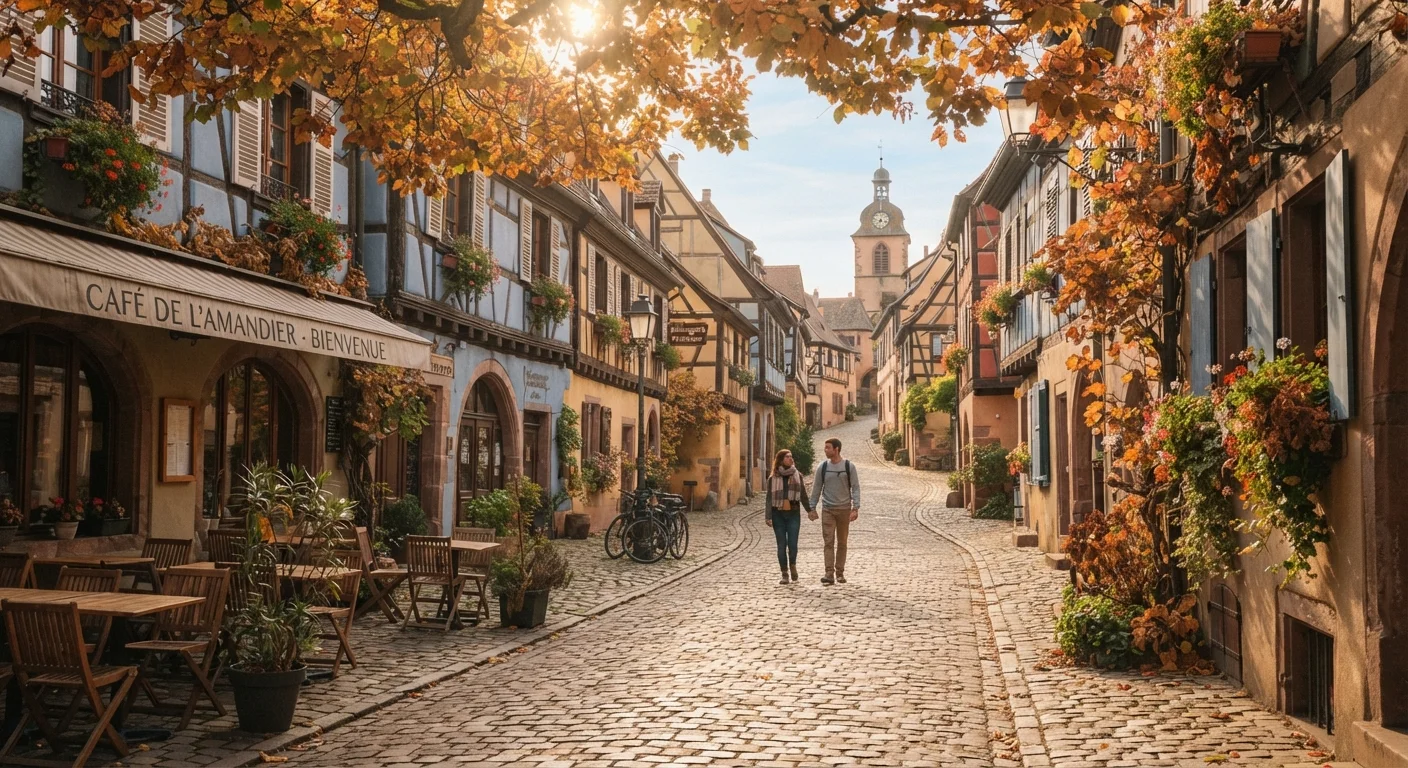
Autumn colour, spring wildflowers, harvest season activity — many destinations have a distinct character in shoulder months that's actively beautiful rather than merely acceptable. These qualities are rarely captured in the imagery that shapes how we imagine a place.
Weather is less reliable and predictable
Shoulder months often bring more variable conditions — cooler temperatures, higher likelihood of rain, and faster-changing skies. For trips centred on beach time or consistent outdoor activity, this is a genuine trade-off rather than a minor footnote.
Some attractions or services run reduced schedules
Smaller seasonal businesses — beach clubs, mountain huts, some ferry routes, certain museums — may operate shorter hours or close entirely outside peak periods. Specific schedules must be verified directly with providers before travel.
Fewer fellow travellers can feel isolating for some
The quietness that appeals to one traveller can feel flat or lonely to another. If the social energy of a busy destination is part of what you're seeking, shoulder season's calm may work against you.
Some shoulder windows overlap with unpredictable events
Local festivals, national holidays, or regional events can produce unexpected crowd spikes within shoulder months. Researching the local calendar — not just peak season dates — helps avoid surprises.
Our Verdict
Shoulder season travel rewards those who prioritise atmosphere over guaranteed sunshine and authentic encounters over polished tourist experiences. The trade-offs — unpredictable weather, some closures, thinner transport links — are real but manageable with modest planning. For travellers willing to loosen the itinerary, the return on that flexibility tends to be disproportionately high.
Best suited to intentional, flexible travellers who value depth over convenience and don't need every element of a trip to go exactly to plan.
What Shoulder Season Actually Means
Shoulder season sits in the gap between a destination's peak period — when demand, prices, and visitor numbers all crest together — and its quiet low season, when many businesses scale back or close entirely. Depending on the destination, shoulder might fall in spring, early autumn, or both. In Mediterranean Europe, it's typically April–May and September–October. In Southeast Asia, it often coincides with the edges of monsoon. The exact window varies, which is precisely why it rewards some research.
What defines shoulder season isn't just a calendar date — it's a shift in the texture of a place. Streets that were dense with guided tour groups six weeks earlier suddenly feel navigable. Restaurants that required advance booking now seat you without a wait. That shift isn't accidental; it's the direct consequence of reduced tourist volume, and it changes the experience in ways that go beyond mere convenience.
If you've been drawn to the idea of slow travel, shoulder season is its natural companion — both are really about choosing presence over performance.
The Real Advantages
Meaningfully lower costs on flights and accommodation
Pricing models for flights and hotels respond directly to demand, so the weeks flanking peak season often see significant drops. This isn't marginal — in some popular European destinations, accommodation rates in shoulder months can run 20–40% below July highs.
Thinner crowds at major sites and attractions
Iconic locations that feel genuinely overwhelming in peak season — archaeological sites, art museums, viewpoints — become navigable and even contemplative. The experience of being in a place changes when you're not competing for it.
More genuine encounters with local life
When hospitality workers aren't stretched across maximum tourist volume, interactions shift. Meals feel less transactional, recommendations become more personal, and daily life at a destination is more visible and accessible.
Easier spontaneity and last-minute decisions
Availability at restaurants, tours, and accommodation is less constrained, which means you can make decisions on the day rather than months in advance — a significant advantage for travellers who prefer a looser structure.
Seasonal beauty that peak travellers miss
Autumn colour, spring wildflowers, harvest season activity — many destinations have a distinct character in shoulder months that's actively beautiful rather than merely acceptable. These qualities are rarely captured in the imagery that shapes how we imagine a place.
The financial case is probably the most discussed shoulder season benefit, but it deserves a closer look. Lower accommodation and flight costs aren't just about saving money — they can translate into staying longer, choosing a better-located base, or redirecting funds toward experiences that matter more. A room in a well-situated hotel that would stretch the budget in July may be comfortably affordable in October.
Perhaps less obvious is what lighter crowds do for the quality of attention you receive. Locals working in hospitality — restaurant owners, guides, shop keepers — are less stretched. Conversations happen more naturally. That dynamic shifts what travel feels like at a fundamental level, particularly for solo travellers who want genuine exchange rather than scripted tourism.
20–40%
Typical accommodation price drop in shoulder vs. peak
Industry pricing data consistently shows significant rate variation between peak and shoulder periods at popular European destinations, though exact figures vary by location and year.
~30%
Reduction in visitor volume at popular sites
Visitor data from major UNESCO-listed sites in southern Europe suggests that September and October typically see around a third fewer arrivals than July and August.
The Honest Disadvantages
Weather is less reliable and predictable
Shoulder months often bring more variable conditions — cooler temperatures, higher likelihood of rain, and faster-changing skies. For trips centred on beach time or consistent outdoor activity, this is a genuine trade-off rather than a minor footnote.
Some attractions or services run reduced schedules
Smaller seasonal businesses — beach clubs, mountain huts, some ferry routes, certain museums — may operate shorter hours or close entirely outside peak periods. Specific schedules must be verified directly with providers before travel.
Fewer fellow travellers can feel isolating for some
The quietness that appeals to one traveller can feel flat or lonely to another. If the social energy of a busy destination is part of what you're seeking, shoulder season's calm may work against you.
Some shoulder windows overlap with unpredictable events
Local festivals, national holidays, or regional events can produce unexpected crowd spikes within shoulder months. Researching the local calendar — not just peak season dates — helps avoid surprises.
It's worth being straightforward: shoulder season is not a universally better version of peak travel. The advantages come with genuine trade-offs that will matter more to some travellers than others. Weather is the most obvious variable — cooler temperatures and higher rainfall probability are common in many shoulder windows, and for travellers whose trip centres on beach time or outdoor activities, that's a meaningful consideration rather than a minor inconvenience.
Service reduction is another real factor. Some smaller museums, ferry routes, or seasonal restaurants operate reduced hours or close entirely outside peak months. If a specific attraction is central to your trip, verifying its shoulder-season schedule with the official venue or local tourism board before booking is essential — don't rely on general travel articles, including this one, for time-sensitive operational details.
And if you're prone to over-scheduling, itinerary overload can turn shoulder season variability from a feature into a source of frustration. The shoulder season traveller who thrives is usually one who holds plans loosely.
Always Verify Entry and Operational Details
Visa requirements, health entry rules, and attraction opening schedules can change with little notice. Before booking shoulder season travel, check official government travel advisories for your destination and confirm seasonal hours directly with venues. General travel articles — including this one — cannot substitute for up-to-date official sources. For safety-related or entry requirements, your government's foreign travel advice page is the most reliable starting point.
Who Shoulder Season Travel Actually Suits
Not every travel style maps neatly onto shoulder season. If a trip is structured around a specific event — a festival, a conference, a wedding — the timing is fixed regardless. If guaranteed warmth and a packed activity calendar feel essential to feeling rested, low season or peak might genuinely serve better. Honest self-knowledge matters here more than following a trend.
But for women travelling solo at their own rhythm, solo travel versus group itineraries is a worthwhile consideration — and shoulder season generally skews toward the solo traveller's advantage. The lower volume, the easier spontaneity, the more authentic daily life visible at a destination — these align well with an independent pace.
Shoulder season also pairs naturally with seasonal living principles: the idea that spring and autumn carry their own distinct character worth inhabiting rather than skipping over in search of peak-summer certainty. There's something satisfying about travelling in rhythm with a destination's natural year rather than against it.