

Lifestyle & Habits

The Room-by-Room Wellbeing Audit

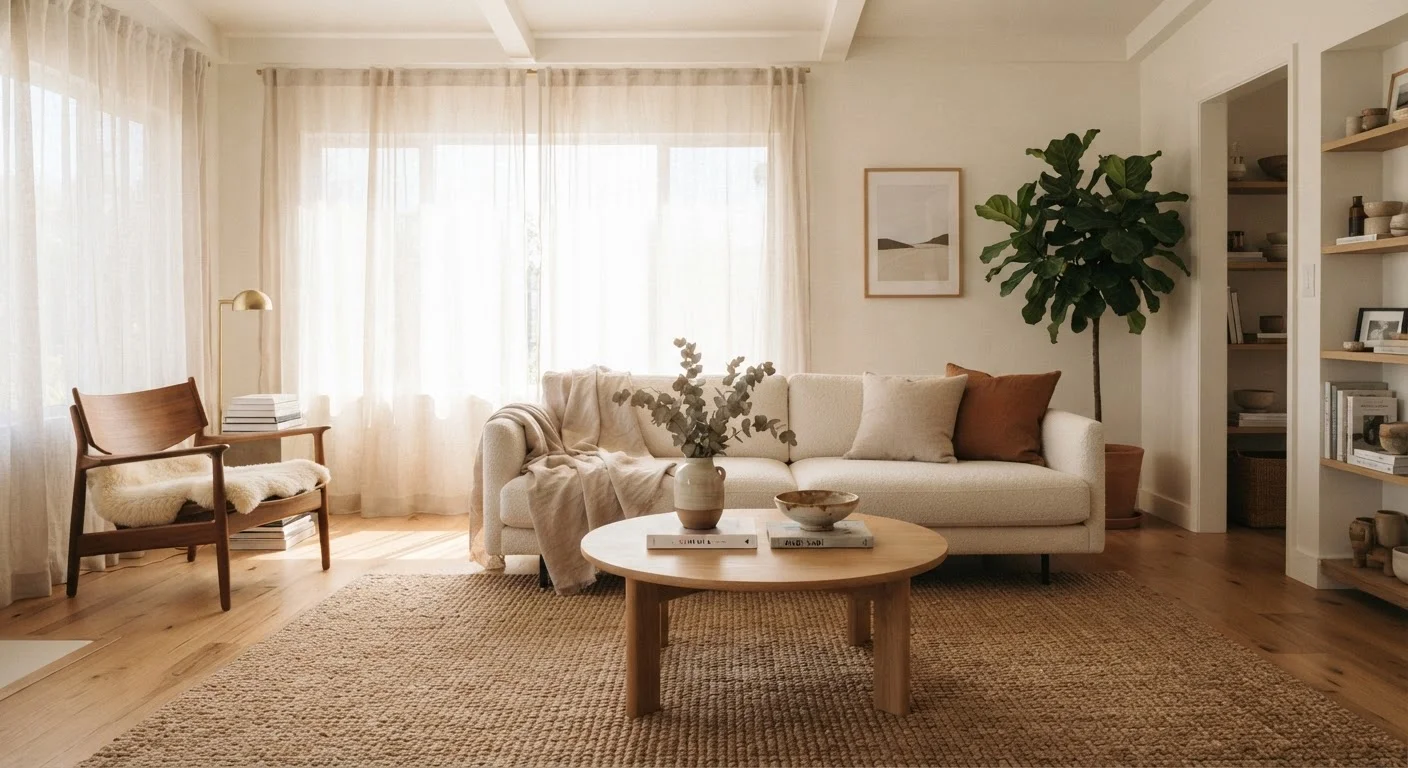
Bright, organized living room with natural light and minimal clutter conveying calm

Key Takeaways

  • Your physical environment directly influences stress levels, sleep quality, and focus — often in ways you don't consciously notice.
  • Small, targeted changes in each room can meaningfully shift your daily wellbeing without a full renovation.
  • Sensory friction — bad lighting, noise, clutter — is a common hidden energy drain worth auditing first.
  • This audit is about observation, not perfection: notice what's working before you change anything.
  • Room-by-room reviews work best done in daylight so you see each space as it really functions.
30–60 min

Summary

28 items · 30–60 minutes

Why Your Home Deserves an Audit

Most energy audits focus on habits and schedules. But your physical environment shapes how rested, focused, and grounded you feel before you've made a single decision. Research in environmental psychology consistently links cluttered, poorly lit, or overstimulating spaces to elevated cortisol and reduced capacity to recover. In short: your home is either restoring you or quietly draining you.

This checklist takes you through the rooms where you spend the most time — bedroom, kitchen, bathroom, living area, and workspace — with targeted questions for each. Think of it less as a to-do list and more as a diagnostic tool. Pair it with the daily routine audit if you want a full picture of how your environment and habits interact.

Work through each room in daylight if possible, ideally at a time when the space looks the way it does on an average weekday — not after you've tidied for guests.

Bedroom

Check that your bedroom is dark enough for sleep — blackout curtains or a sleep mask should block morning light completely. Must
Assess ambient noise levels at bedtime and identify any consistent disruptors (street noise, thin walls, electronics). Must
Remove or relocate any work-related items (laptop, documents, chargers) that blur the boundary between rest and productivity. Must
Evaluate whether your bedding and room temperature support comfortable sleep — most adults sleep best in a cooler room. Should
Clear visible surfaces of items that require action (unopened mail, unfinished tasks) — visual unfinished business disrupts mental downshift. Should
Add one sensory element that signals rest — a consistent scent, a dim lamp, or a brief wind-down sound routine. Nice to have

Kitchen

Identify any friction points in your morning routine — items that are hard to reach or require unnecessary steps before you've fully woken up. Must
Check that your most-used tools (kettle, coffee maker, cutting board) are stored within arm's reach of where you actually use them. Should
Open every cabinet and assess whether its current contents reflect what you actually cook and eat regularly. Should
Note whether your kitchen lighting supports focused prep work, especially if you cook in the evening. Should
Designate a single clear surface as a permanent prep zone — even a small one — and commit to keeping it uncluttered. Nice to have

Bathroom

Audit your products — discard anything expired, unused in six months, or kept out of obligation rather than use. Must
Assess whether your morning routine flows without hunting for items; reorganize so each step has an obvious, accessible home. Must
Check ventilation — inadequate airflow contributes to mold and a stale atmosphere that affects how refreshed the space feels. Should
Consider whether your lighting supports both energizing morning prep and winding down at night — adjustable options help. Nice to have

Living Area

Walk into the room and notice your immediate physical response — does it feel calm, stimulating, or chaotic? That reaction is data. Must
Identify any surfaces that function as default dumping grounds and establish a deliberate home for those items. Must
Evaluate natural light access throughout the day — consider whether furniture placement is blocking windows unnecessarily. Should
Check whether the seating arrangement supports the activities you actually do there (conversation, reading, watching, resting). Should
Reduce decorative items to only those that you actively notice and enjoy — visual noise compounds cognitive load over time. Nice to have

Workspace (Home Office or Desk Area)

Confirm that your workspace has a defined physical boundary — even a corner — so your brain can associate it with focused work. Must
Assess your chair and monitor height for basic ergonomic alignment; discomfort is a silent focus and energy drain. Must
Clear your desk surface to only the items used in a typical workday — everything else needs a drawer or shelf home. Must
Evaluate whether you have access to natural light or a window view, which research links to improved concentration and mood. Should
Establish a visible end-of-day closure signal — closing a laptop lid, covering a monitor, or tidying the surface — to cue mental shutdown. Should

Whole-Home Considerations

Walk the full home and note any items that have been waiting to be repaired, returned, or dealt with for more than a month — each is a low-grade mental load. Must
Identify which rooms you actively avoid and ask honestly why — avoidance is usually a signal of unresolved friction. Should
Check that you have at least one space — even a chair — that you associate purely with rest or enjoyment, not tasks. Should

How to Use Your Findings

After completing the audit, you'll likely land in one of two categories: spaces that need a sensory reset (light, sound, scent, temperature) and spaces that need a functional reset (storage, flow, surface clutter). Both matter, but they call for different actions.

Don't Turn the Audit Into an Overhaul

A common mistake is beginning the audit and immediately starting to move furniture, purge drawers, or reorganize shelves. This approach usually stalls halfway through and leaves your home more chaotic than before. Complete the full walkthrough and notes first — then decide what to act on and in what order.

Resist the urge to overhaul everything at once. Pick one room, choose one "must" item, and complete it before moving on. This approach works because it builds momentum without triggering the decision fatigue that causes most home-improvement intentions to stall. For a structured approach to letting go of what no longer serves each room, the decluttering without the guilt checklist is a practical companion to this audit.

If your audit surfaces bigger patterns — feeling perpetually behind, struggling to wind down, or sensing that no space in your home feels truly restorative — that signal is worth taking seriously. Your home environment and your mental habits are tightly linked. The mindful living hub offers grounded practices for building intentionality into everyday spaces and routines. And if stress accumulation is showing up physically, pairing this audit with a daily mental wellness self-check can help you identify patterns that go beyond the home environment.

This article is for general informational purposes only. It is not a substitute for advice from a qualified health or mental health professional. If you are experiencing persistent stress, sleep difficulties, or mental health concerns, please consult a healthcare provider.

Lifestyle & Habits Editorial Team is the collective byline for our editorial team and contributor network. Articles published under this byline or an editorial pen name are researched, written, and reviewed according to our editorial standards for clarity, consistency, and independence before publication.

View all articles by Lifestyle & Habits Editorial Team →
Disclaimer: The content on this site is for informational purposes only and is not a substitute for professional advice. Always consult a qualified professional for guidance specific to your situation.